
HousingWire: How Fairway loan officers traded laptops for tablets with Tidalwave
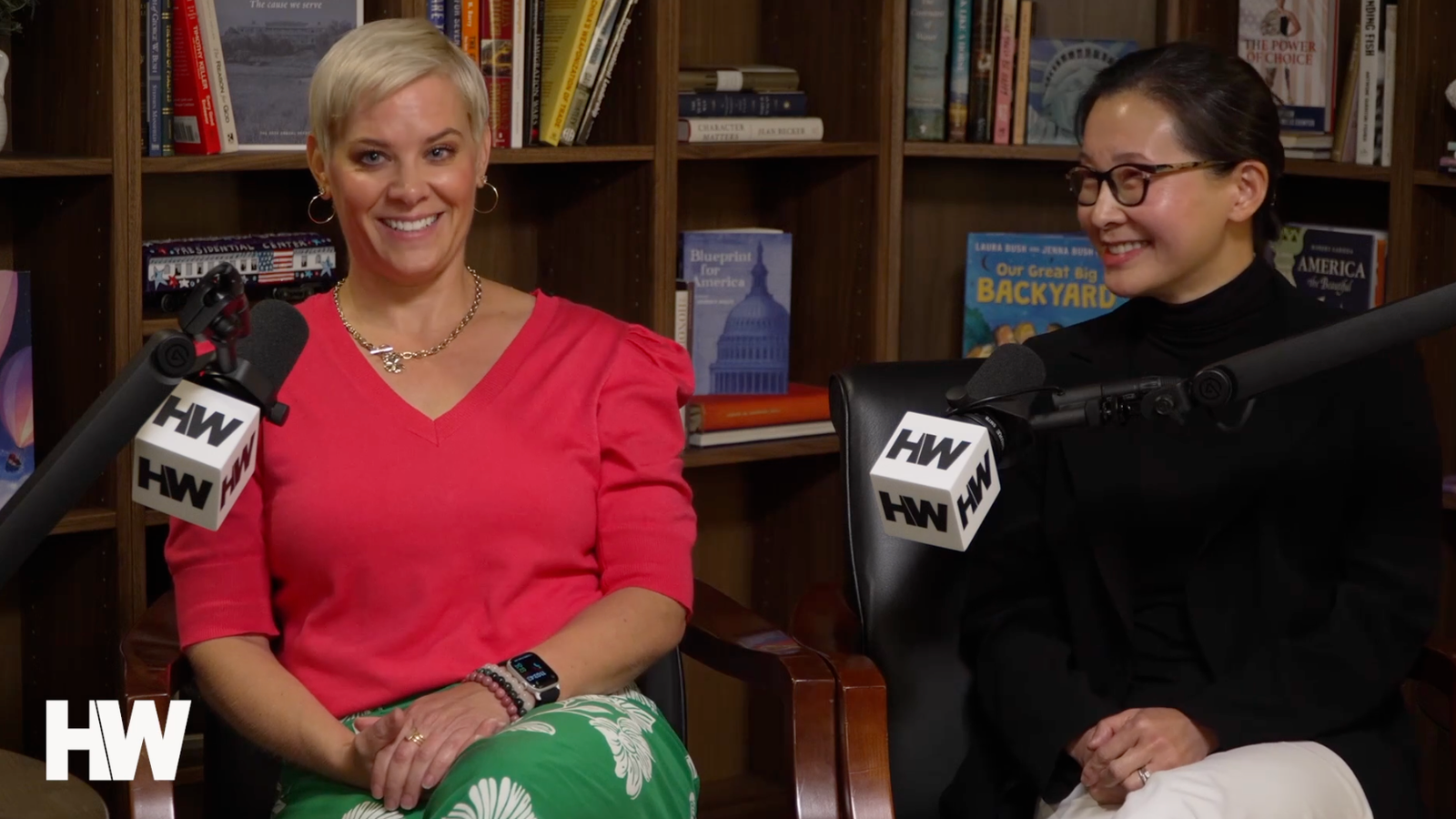
At HousingWire's Mortgage Banking Summit in Dallas, Joy Johnson, Chief Strategy Officer at Fairway Home Mortgage, and Diane Yu, Co-Founder and CEO of Tidalwave, sat down with HousingWire's Allison LaForgia. Fairway is a Tidalwave customer.
The two first met at a HousingWire event two years ago, and their conversation covered what changes for loan officers when AI handles the busywork, and what shouldn't change at all.
The problem Fairway set out to fix
Fairway's starting point was practical. "The problem that we are trying to fix is how do we get our LOs really functioning in one spot, mostly out of the LOS, in the most efficient manner," Johnson said.
Yu described what that looks like on an ordinary weekday. Today, a loan officer starts the morning working through applications that came in the day before, chasing missing documents and calling new referrals. With Tidalwave, much of that work is done before they sit down. "Most of the mortgage application has been completed already," Yu said. "Now I just need to review and give them a pricing proposal, and everything's on the go."
Loan officers without laptops
The most visible change at Fairway is where loan officers work. When six Fairway loan officers recently presented on stage about how they use Tidalwave, one brought nothing but a tablet.
Johnson said that's becoming normal. In today's market, she said, loan officers can't wait for business to find them. "Loans are not just coming to us. We have to go to them, and we have to find them. And the only way you do that is you get up from your desk," she said. "If an LO has to live in the LOS and it's connected to their desk, they're not getting up and having that conversation."
Fairway loan officers are now buying tablets because that's all the hardware they need. Johnson, who still originates loans herself, took applications from her phone the night before the interview. "You just have to have that mobility, and that's what these systems allow us to do," she said. "That's why people are not even using laptops. They're using tablets instead."
Yu said that's the point of having the application largely finished before a loan officer opens it. Review, pricing and next steps can happen from anywhere. "That happens before I even get to the office, because I can work so much from my phone," she said.
Assist, not replace
LaForgia asked about a fear running through the industry: that AI is coming for the loan officer's job. Yu said the answer is in Tidalwave's product names: Credit Assist, Income Assist, Asset Assist and Loan Officer Assist. "We are not there and going after people's jobs," Yu said. "The reason that we're saying assist is that we want to make sure the loan officers using our tool can be superhuman."
Johnson, who has spent 30 years in mortgage, agreed. "I think this industry will never lose a human connection," she said. First-time buyers are often scared, she explained. They want to know how their income gets calculated and what they can afford. "They're looking for an advisor to give them advice, and AI cannot do that."
Yu shared why that matters to her personally. Thirty years ago, she bought her first home as a non-native English speaker. "I didn't even know what question to ask," she said. She sent in her documents and heard nothing back, because her loan officer had to go find the answers internally. That experience helped shape SOLO Assist, which now guides borrowers in more than 30 languages.
Proving accuracy in public
Asked how Tidalwave meets the accuracy and compliance standards a lender like Fairway requires, Yu pointed to public testing. "If you are good, you really need to make sure that you went through a public benchmark study, and not just going out saying, 'Hey, we're really the best,'" she said.
That testing also speaks to a question Tidalwave hears often: why can't a general-purpose model from OpenAI or Anthropic do this? In a benchmark with Columbia University's DAPLab, Anthropic's Claude 4.5 scored 42% on the yes/no compliance checks that catch payroll mismatches and undisclosed debts. Tidalwave's SOLO scored 95%.
The stakes are high in a market where the MBA projects $2.2 trillion in originations this year. A wrong answer means a loan approved when it shouldn't be, or flagged when it's clean. A general-purpose model also lacks what lenders require in production: direct integrations with Fannie Mae and Freddie Mac, compliance sign-off from large lenders, and the questions loan officers actually ask every day. Tidalwave processed 26,000 applications in July across 22 lenders.
"If we're not doing that, nothing else works," Yu said.
The checker checking the checker
Johnson also described a habit Fairway is working to eliminate. "We have a saying at Fairway," she said. "Any process where it's the checker checking the checker, which is across this entire industry." The processor checks the loan officer, the underwriter checks the processor, and the closer checks them both. Even so, many problems still don't surface until post-closing.
Fairway's fix is to "shift left" and catch issues at origination. "Using Tidalwave and using these technologies, you can make that process faster because you're catching them up front rather than at the end," Johnson said.
Staying close to the pain
Johnson said she knew the companies would fit after an early conversation about support. Fairway's CEO sits on the company's branch support inbox and sees every question loan officers send in. Yu does the same at Tidalwave.
"Once we understand the pain, we can really build a solution that can solve for the pain," Yu said.
Check out the full interview here: TidalWave and Fairway on making loan officers more mobile, efficient and human.